


In the world of construction, plumbing, and welding, having the right tools for the job can make a huge difference. One such essential tool is the pipe bender. Pipe benders are used for shaping and bending pipes to fit specific angles, curves, and positions in a variety of projects. Whether you are working with water, oil, or chemical pipelines, knowing how to properly use a pipe bender will help improve both the efficiency and precision of your work. In this article, we’ll explore the functionality of pipe benders, give you a step-by-step guide on how to use them, and show you how Jiangsu Bohui’s high-quality pipe tools can make your bending tasks easier and more reliable.
A pipe bender is a mechanical tool designed to bend pipes in a controlled and precise manner. The basic function of a pipe bender is to apply mechanical or hydraulic force to a pipe, allowing it to be shaped to the desired angle or curve. The bending process is achieved using a bending die that guides the pipe into the desired shape. Pipe benders are used in various industries, including plumbing, construction, and industrial applications, to help create effective piping systems that meet specific project needs.
There are several types of pipe benders, each designed for different purposes and capacities:
Manual Pipe Benders: These are simple, hand-operated tools ideal for small pipes. They are compact, lightweight, and perfect for DIY tasks and light industrial applications.
Hydraulic Pipe Benders: Powered by hydraulic pressure, these tools can bend larger and thicker pipes with greater force. They are commonly used in heavy-duty industrial settings.
Bench Pipe Benders: These stationary tools are used for larger pipes, offering more control and precision for bending operations. They are typically found in workshops or factories.
Ratchet Pipe Benders: These are small, portable benders used for precise bends in tight spaces. They allow for greater control in situations where space is limited.
At Jiangsu Bohui, we specialize in producing high-quality pipe tools, including pipe benders designed to meet the demands of various industrial tasks.
When choosing the right pipe bender for your project, it's important to understand the features that will determine its performance. Here are the most important features to consider:
One of the most important features of a pipe bender is the bending die, which determines the pipe's shape and bend angle. The size of the die needs to be compatible with the pipe's diameter and wall thickness. Small dies are suitable for thin pipes, while larger dies are required for thick pipes. It's crucial to select a die that matches the pipe you’re working with to ensure a smooth, accurate bend.
Different pipe benders can handle different pipe materials and diameters. A high-capacity bender will be able to work with thicker materials, such as steel, while others may be designed specifically for lighter materials like PVC or copper. When selecting a pipe bender, consider the types of materials you will be working with and the range of pipe diameters to ensure you choose the right tool for your needs.
The durability of the pipe bender is directly related to the material used to construct the tool. Pipe benders made from high-strength steel or cast iron are designed to withstand heavy use and provide long-lasting performance. These durable materials ensure that your tool can handle a variety of bending tasks without wearing out prematurely, even under high pressure.
Portability is another important factor to consider, especially for fieldwork or jobs where mobility is required. Manual benders are lightweight and easy to transport, while hydraulic and bench benders are larger and heavier but provide more bending capacity. Ease of setup is also essential—look for pipe benders that can be quickly assembled and disassembled to save time and increase efficiency.
Using a pipe bender is relatively straightforward, but there are key steps you must follow to ensure that the process is safe and effective. Here’s a step-by-step guide to help you get the best results:
Before you start bending, you need to prepare your pipe and tools. Begin by measuring the pipe and marking the bend points. This ensures that you will bend the pipe at the correct location and angle. The next step is to select the correct die size based on the pipe’s diameter and material. Make sure your pipe bender is set up properly and is securely fastened in place before proceeding.
With the pipe in place, begin the bending process by applying the required force to the tool. For manual benders, this typically involves pulling on a lever or handle to gradually bend the pipe. For hydraulic benders, the process will involve activating the hydraulic pump to generate the necessary bending force. Pay close attention to the alignment of the pipe as you bend it, ensuring it stays on track and does not slip out of place.
Bending angles are typically measured in degrees, with 45° and 90° being the most common. However, more complex bends, such as U-bends or loops, will require specialized tools and techniques. With the right pipe bender, you can easily achieve these complex bends without damaging the pipe.
Once the pipe has been bent to the desired angle, it’s important to check the accuracy of the bend. Use a protractor or digital gauge to ensure that the angle is correct. Any sharp edges or burrs created during the bending process should be carefully removed using a deburring tool to avoid potential safety hazards. Finally, inspect the pipe for any signs of damage or deformation that might compromise its integrity during installation.
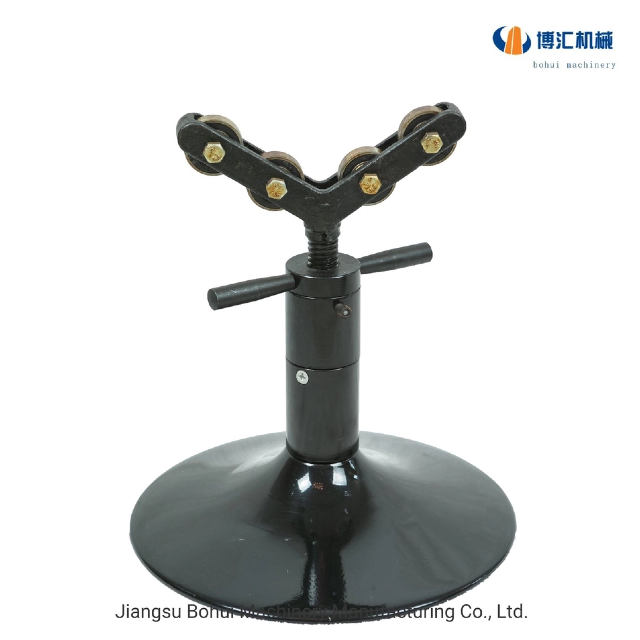
Yes, pipe benders are capable of making loops. However, making a loop with a pipe bender requires careful consideration of the pipe material, diameter, and the tool’s bending capacity. When creating loops, the bend radius is particularly important, as the pipe needs to bend evenly without kinking or breaking. Soft materials like copper are easier to bend into loops compared to harder materials like steel.
When using a pipe bender to make loops, it’s essential to use a bender that provides consistent force and supports the required radius. Hydraulic or CNC pipe benders are ideal for creating loops, as they can handle the continuous bending action required to form a smooth, uniform loop.
While pipe benders are relatively easy to use, there are some common mistakes that should be avoided to ensure a high-quality bend:
Overbending can cause the pipe to lose its shape, while underbending can result in the pipe not fitting into place. Always measure the bend angle carefully and ensure that the pipe is properly aligned before applying force.
Using the wrong die for the pipe size and material can lead to uneven bends or even damage the pipe. Always ensure that the die you use is compatible with the pipe you are bending.
When using a pipe bender, it’s essential to wear proper safety equipment, including gloves and protective eyewear. This will help prevent injuries caused by the tool or the pipe itself.
Task | Recommended Tool Type | Typical Pipe Size | Difficulty |
45° Bend | Manual Bender | Small Pipes | Easy |
90° Bends | Bench/Hydraulic Bender | Medium Pipes | Medium |
Multiple Bends/Loops | CNC or Advanced Bender | Larger Pipes | Hard |
Mastering the use of pipe benders can significantly improve your efficiency and the quality of your work. By understanding the bending process and selecting the right tool for the job, you can achieve precise, accurate bends while reducing material waste. Jiangsu Bohui offers high-qualitypipe tools that are designed to meet the needs of a variety of industrial applications, making it the ideal choice for professionals who demand the best in both performance and durability. Contact us today to learn more about our products and how we can help you achieve better results with every project.
1. Can pipe benders be used for all types of pipes?
Yes, pipe benders can be used for most types of pipes, including copper, steel, and PVC. However, the type of bender you use should match the pipe’s material and diameter.
2. What should I do if the pipe bends too much or too little?
Ensure that you’re using the correct die for the pipe size and material. If the bend is too much, reduce the force applied, and if it’s too little, adjust the tool to apply more pressure.
3. How do I prevent the pipe from kinking during bending?
Use a proper die size and maintain a slow, consistent bending motion to avoid applying too much force at once, which can cause the pipe to kink.
4. Can I use a manual pipe bender for large industrial pipes?
For larger, thicker pipes, hydraulic or CNC pipe benders are recommended as they provide greater force and more control over the bending process.