
Views: 0 Author: Site Editor Publish Time: 2025-11-26 Origin: Site


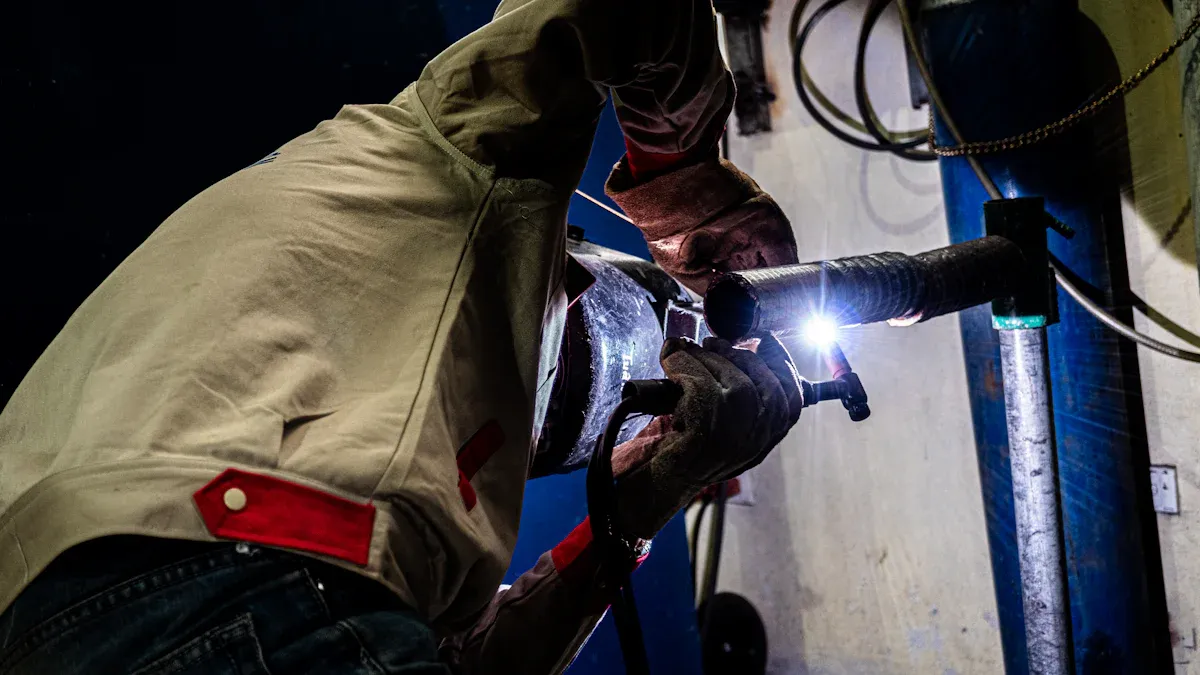
You have many choices when picking equipment for pipe welding. The best tools depend on the welding process. They also depend on the pipe material and what your project needs. Pipe welding has special challenges. You need to choose equipment carefully. You might see problems like:
Poor weld penetration
Porosity in welds
Cracks in welded joints
Distortion and warping
Choosing equipment that fits your job helps stop these problems. It also makes your welds better. Knowing about these challenges helps you pick the right tools for every welding job.
Pick welding equipment that matches the pipe material and what your project needs. This helps stop problems like cracks and bad welds.
Choose the best welding method, like MIG, TIG, or stick welding. The pipe type and how thick it is will help you decide.
Always wear safety gear like helmets and gloves. This keeps you safe from burns and bad fumes.
Take care of your welding equipment often. This makes it last longer and keeps it safe to use.
Think about your skill level when you pick equipment. If you are new, use machines that are easy to use.
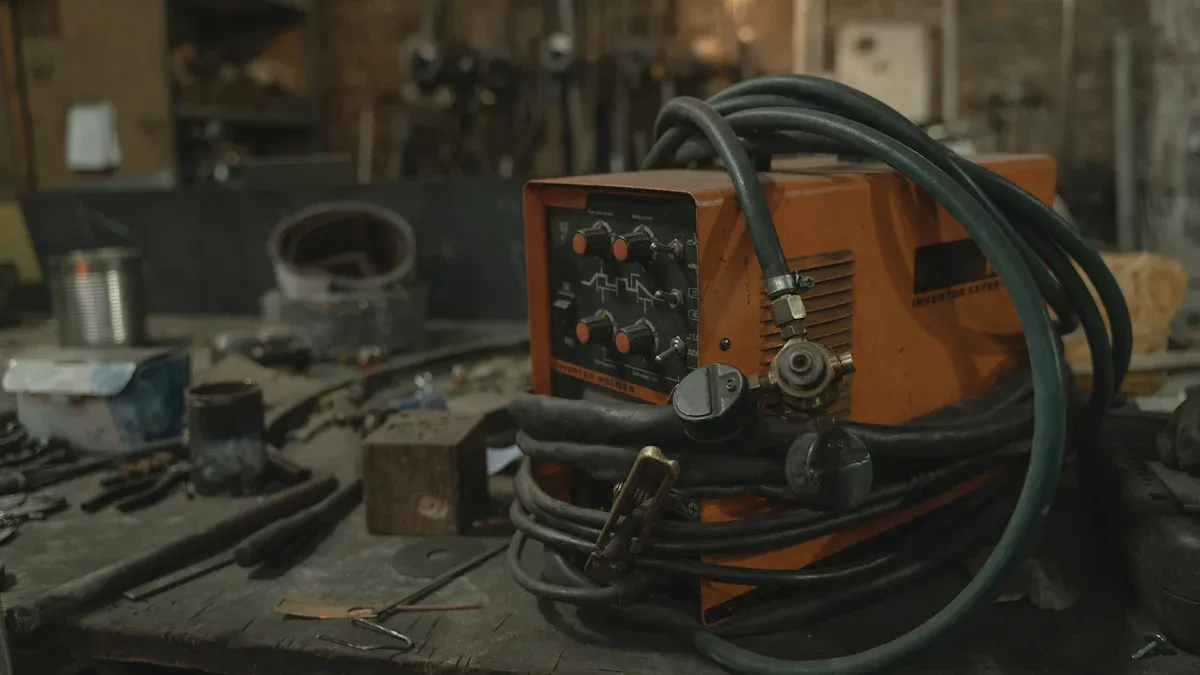
Picking the right equipment helps you make strong welds. You need to match your tools to the pipe material. You also need to think about the welding position. Here are the main types of equipment you should know:
There are different welding methods for pipe welding. Stick welding, called SMAW, works in many places. It is very flexible. MIG welding is used in factories and big projects. It is simple to use and works on thin metals. TIG welding gives you good control. You use it for stainless steel and aluminum pipes. Flux-cored arc welding is good for outdoor work and thick pipes.
For power, you can pick transformer-based or inverter-based systems. You can also use engine-driven or hybrid systems. Inverter-based systems are light and save energy. Engine-driven systems are good for remote jobs.
Tip: Always check if your welder fits the pipe material. Make sure it works for the welding position. This helps you avoid weak welds or cracks.
You need torches to cut and shape pipes before welding. Oxy-fuel torches and plasma cutters are common tools. They help you get the pipe ends ready for welding. Good joint preparation makes welding easier. It also helps your welds turn out better.
You must pick filler materials that match the pipe’s chemical makeup. The filler should be as strong as the pipe. The pipe’s shape and thickness matter too. Using the right filler keeps your welds strong and safe.
Safety is very important in pipeline welding. You need a welding helmet and gloves. You also need fire-resistant clothes and good ventilation. Follow rules from groups like the American Welding Society and OSHA. These rules help keep you safe from burns, fumes, and other dangers.
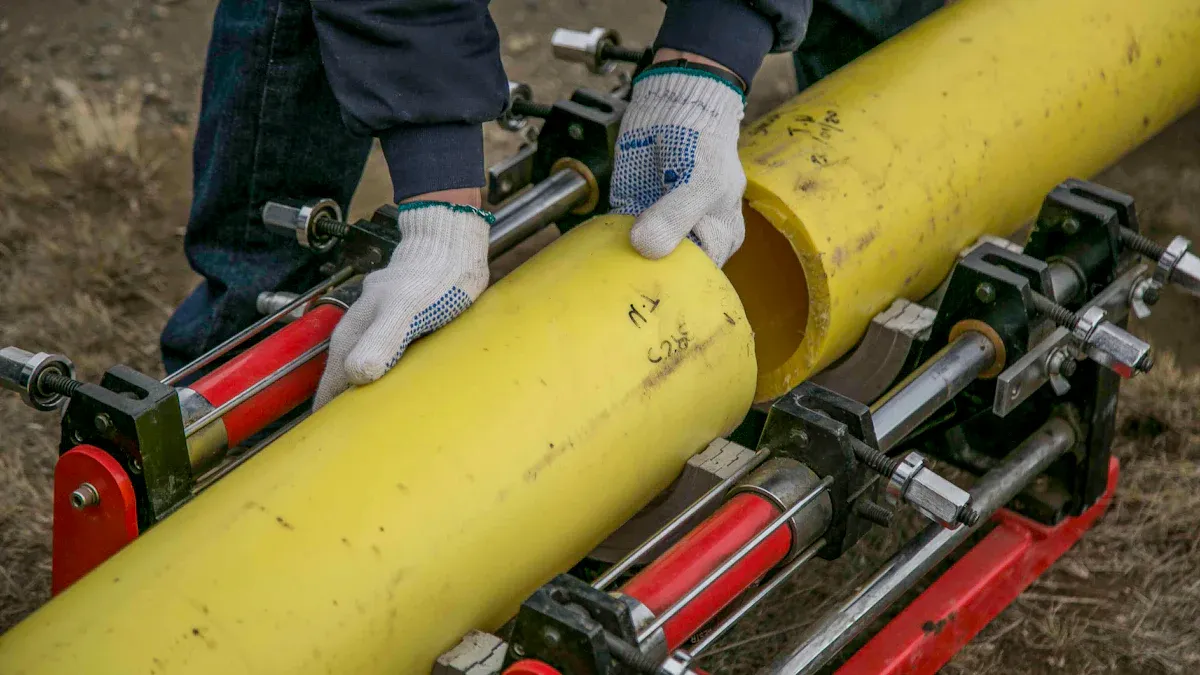
When you pick equipment for pipeline welding, you need to think about a few things. The right tools help you stay safe. They also help you make strong welds. You should look at the pipe material. You should think about how big your project is. Your budget matters too. Your skill level is important.
You must match your equipment to the pipe material and size. Different pipes need different machines and settings. Stainless steel and titanium pipes need special welding settings. Thin-walled pipes need machines that control heat well. Too much heat can burn through the pipe. Digital machines help you set the right temperature. They help you make fewer mistakes.
Here is a table that shows what you should think about when picking equipment for different pipes:
| Factor | Description |
|---|---|
| Pipe Diameter | Small pipes need small machines. Big pipes need large machines. |
| Wall Thickness | Thin pipes need careful heat control. Digital machines help stop burn-through. |
| Material Type | Each material needs special welding settings. |
| Welding Power Source | Digital sources give you better control. Automatic settings help you avoid errors. |
| Automation Level | Use semi-automatic machines for small jobs. Use fully automatic machines for big projects. |
| Welding Head Design | The welding head must hold the pipe tight. Good rotation helps you get even welds. |
You also need to think about the welding position. Some materials work best in the flat position, called 1G. Others need vertical or overhead positions. The welding process can limit your position choices. Arc welding works best in flat and horizontal positions. If you weld big pipes, you may need to move them. This helps you weld in the flat position.
Tip: Always check if your equipment matches the pipe material and the welding position you need. This helps you get strong welds and avoid problems.
The size of your project changes what equipment you need. Small pipes need small machines and accessories. Big pipes need bigger heating plates and strong clamps. Different pipes have different melting points. You need to pick the right welding tools.
Here are some things to think about for project size:
Small projects need light and easy-to-carry machines.
Big projects need powerful machines and bigger accessories.
The type of pipe changes the melting point and welding needs.
If you work on plumbing or HVAC systems, socket fusion welding is a good choice. It is simple and saves money. It makes strong connections. You can use it for small jobs and work on-site.
| Advantages of Socket Fusion Welding |
|---|
| Simple and easy to use |
| Saves money for small projects |
| Works well for strong connections |
Your budget changes what equipment you can buy. You want the best value for your money. For small projects, pick machines that are easy to use and not expensive. These machines are often light and good for simple jobs.
Here are some benefits of budget-friendly equipment:
Light and easy to carry
Good for on-site welding
Works well for plumbing and HVAC pipes
If you have more money, you can buy advanced machines with digital controls. These machines help you work faster and make better welds. Always think about long-term value. Spending more now can save you money later. Your equipment will last longer.
Your skill level matters when you pick welding equipment. If you are new to pipe welding, pick machines that are easy to set up and use. MIG welding machines are good for beginners. They have simple controls and preset settings.
If you have more experience, you might want TIG welding machines. These machines let you change the settings for better control. Advanced MIG machines also have special features for skilled welders.
You can get training to learn how to use advanced equipment. Many programs teach you about different welding methods and safety. They also teach hands-on skills. Some programs help you get certifications from groups like AWS. These certifications show you know how to use advanced pipe welding equipment.
| Program Name | Description |
|---|---|
| Advanced Welding Technology | Teaches skills for AWS certifications in SMAW, GMAW, FCAW, SAW, and GTAW. |
| Welding and Welding - Advanced | Covers Advanced Pipe Welding, CNC Plasma Cutting, and Robotic Welding. |
| Structural Steel & Pipe Welding | Teaches safety, theory, and hands-on training from basics to advanced concepts. |
Note: AWS has seminars and courses to help you get certified in advanced welding techniques.
When you match your equipment to your skill level, you work safer. You make better welds. You also make fewer mistakes and save time.
If you are a pipeline welder, you want machines that work well and last long. Many pipeline welder experts trust brands like Miller, Lincoln Electric, ESAB, and Hobart. These brands are known for being reliable and working great. You can see how they match up in this table:
| Brand | Reliability | Performance |
|---|---|---|
| Miller | High | High |
| Lincoln Electric | High | High |
| ESAB | High | High |
| Hobart | High | High |
You should check the warranty and support too. Some brands, like Maxmech, Askaynak, and Powerflex, do not give as much warranty or help as Miller or Lincoln Electric. Good warranty and easy support help you fix problems quickly. This means the brand cares about pipeline welder users.
Pipeline welders need the right accessories to stay safe and work well. Gas lenses help cover the weld with gas. This makes your welds cleaner. Collet bodies hold tungsten steady. This keeps your arc smooth. Cups and nozzles help you see better and be more exact. Clean filler rods and good tungsten make your welds strong. Safety gear like helmets, gloves, and special clothes protect you from sparks and smoke.
Pick accessories that fit your welding process. Here is a table to help you choose:
| Welding Process | Recommended Accessories |
|---|---|
| MIG | Welding electrodes or wires, shielding gases (argon, CO₂ mix), welding torch or gun, wire feeders |
| TIG | Welding electrodes, shielding gases (argon), welding torch, grounding clamps |
| SMAW | Flux-coated electrodes, welding power supply, grounding clamps |
Tip: Use a helmet with auto-darkening lens. It lets you watch your weld without stopping to change your gear.
You want your pipeline welder equipment to last a long time. Good machines can last 10 to 25 years if you take care of them. MIG welders often last 10 to 20 years. TIG welders can last up to 25 years with good care. Stick welders usually last 10 to 15 years.
When you look at value and performance, check the features and pipe size it can handle. For example, the MM-Tech V Series Butt Fusion machine matches parts smartly and has a strong frame. The McElroy TracStar 630 uses new technology to check quality. The Ritmo Delta 500 lines up pipes by itself for hard jobs.
| Machine Model | Key Features | Pipe Size Capability |
|---|---|---|
| MM-Tech V Series Butt Fusion | Intelligent matching, high-strength framework, 2-year warranty | 2” IPS to 63” |
| McElroy TracStar 630 | Fuses pipe sizes from 8” IPS to 24” OD, DataLogger® 7 tablet | 8” IPS to 24” OD |
| Ritmo Delta 500 | Self-aligning mechanism, suitable for pipes up to 20 inches in diameter | Up to 20 inches |
Note: Always get your joints ready before welding. Clean the pipe ends and check the fit-up first. If you work in a hard spot, use clamps and supports to hold the pipe still. This helps you make strong welds every time.
Taking care of your welding equipment helps you stay safe. It also helps you get good results. If you keep your tools in good shape, you save money. You will not need as many repairs. You will not lose time waiting for fixes. Here are ways to care for your tools and make them last longer.
You should make a schedule for caring for your welding equipment. Every day, turn off your machine and shut off the gas. Wipe off dust and spatter from your tools. Wrap cables neatly. Put your tools in a dry place. Each week, look for loose parts. Clean vents and filters. Every month, tighten all connections. Check hoses and cables for damage.
Using your welding equipment often helps keep it working well. Do not use it too much. Safe and steady use keeps parts moving. You will notice small changes. You can fix small problems before they get worse.
Here is a simple guide:
| Maintenance Practice | Frequency |
|---|---|
| Clean equipment | Daily/Weekly |
| Inspect cables and hoses | Weekly |
| Tighten connections | Monthly |
| Professional servicing | Yearly |
Watch for signs that you need new parts. If your welds look bad, your equipment may have problems. Strange noises or overheating are warning signs. If you fix your machine a lot, check it carefully. Error codes or warning lights mean something is wrong. If you smell burning or see smoke, fix it right away. Change worn-out parts quickly to stop bigger problems.
Welds look different each time
Machine gets too hot
You hear odd sounds or feel shaking
You fix your machine often
Error codes or warning lights show up
Clean your welding equipment after you use it. Store it in a dry place with good air flow. Use dust covers if you will not use it for a while. Do not let your machine get too hot. Always use a steady power supply. Teach everyone how to use the equipment safely.
Places that check equipment often have half as many surprise problems as places that do not.
Taking care of your tools and storing them well helps you avoid trouble. Your welding equipment will work for many years.
When you pick pipe welding equipment, make sure it fits your job. Check the metal type and how thick it is. Think about how you will weld the pipe. Pick a machine that matches your skill level. Good brands last longer and work better. Take care of your tools so they do not break. Always use safety gear and check your equipment often. If you are not sure, ask someone with more experience. Look at different choices before you buy. Try to find equipment with a strong warranty.
If you choose the right equipment now, you will be safer and save money later.
You should use a stick welder (SMAW) for most pipe welding jobs. TIG welders work well for stainless steel and aluminum pipes. MIG welders suit thin pipes in shop settings.
Check the pipe’s material first. Pick a filler that matches the pipe’s strength and chemical makeup. Ask your supplier for advice if you feel unsure.
Safety gear protects you from burns, sparks, and harmful fumes. You need a helmet, gloves, and fire-resistant clothing. Good ventilation helps you breathe safely.
Inspect and clean your equipment every week. Tighten connections each month. Schedule professional servicing once a year. Regular care helps your tools last longer.