
Views: 0 Author: Site Editor Publish Time: 2025-11-26 Origin: Site


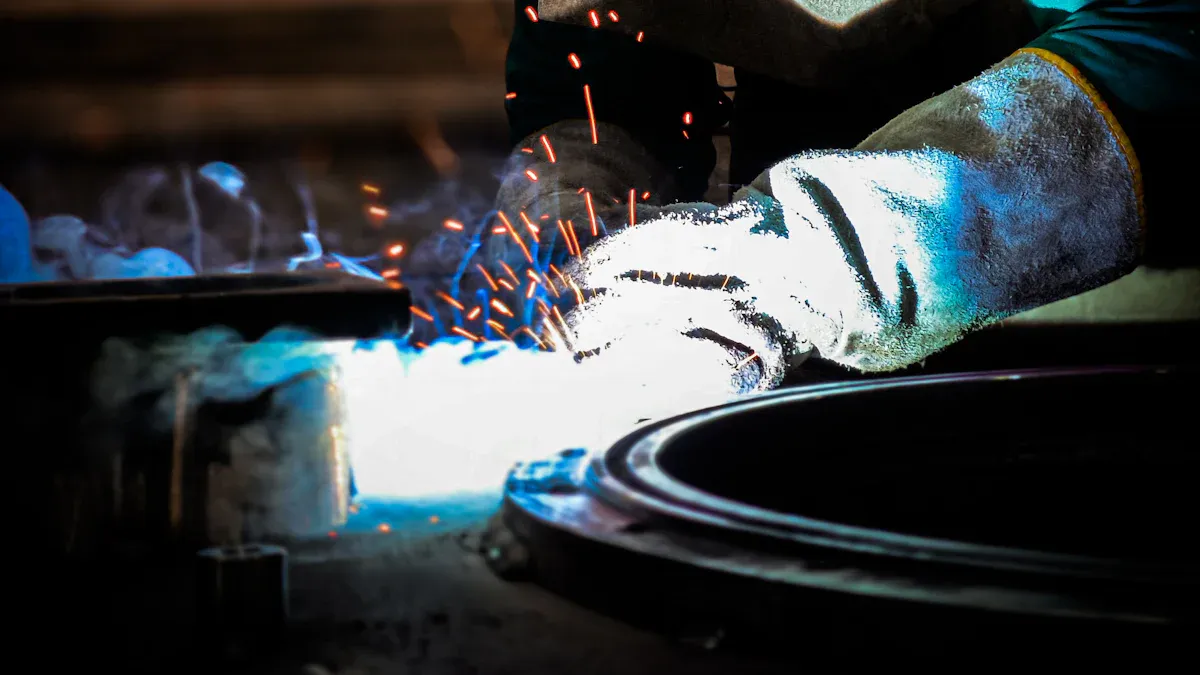
You may have pipe welding problems that mess up your work and waste time. The most common problems are misalignment, poor weld penetration, too much weld spatter, uneven weld beads, and trouble with cutting or fit-up. Each problem can be fixed with the right pipe tools. Look at the table below to see how these problems show up in real jobs.
| Problem | Impact on Weld Quality |
|---|---|
| Misalignment | Can make the structure fail |
| Poor Penetration | Can cause the weld to not join well |
| Excessive Spatter | Can make the joint weak |
| Inconsistent Beads | Can lower strength and look bad |
| Cutting/Fit-Up Errors | Can make the pipes not line up |
You can solve these problems by picking the right tools and learning how to use them.
Pipes must line up the right way. Use alignment clamps to help pipes fit well. This saves time and stops expensive errors.
Good weld penetration makes joints strong. Beveling tools make deeper grooves. This helps the weld stick better and lowers defects.
Keep torch nozzles clean to stop weld spatter. Change settings if needed. This makes cleanup faster and tools last longer.
Even weld beads make your project stronger. Use pipe stands to keep pipes steady. This helps you make smooth welds.
Buy good cutting machines for exact cuts. This stops fit-up mistakes and helps prevent leaks. It also keeps your project on track.
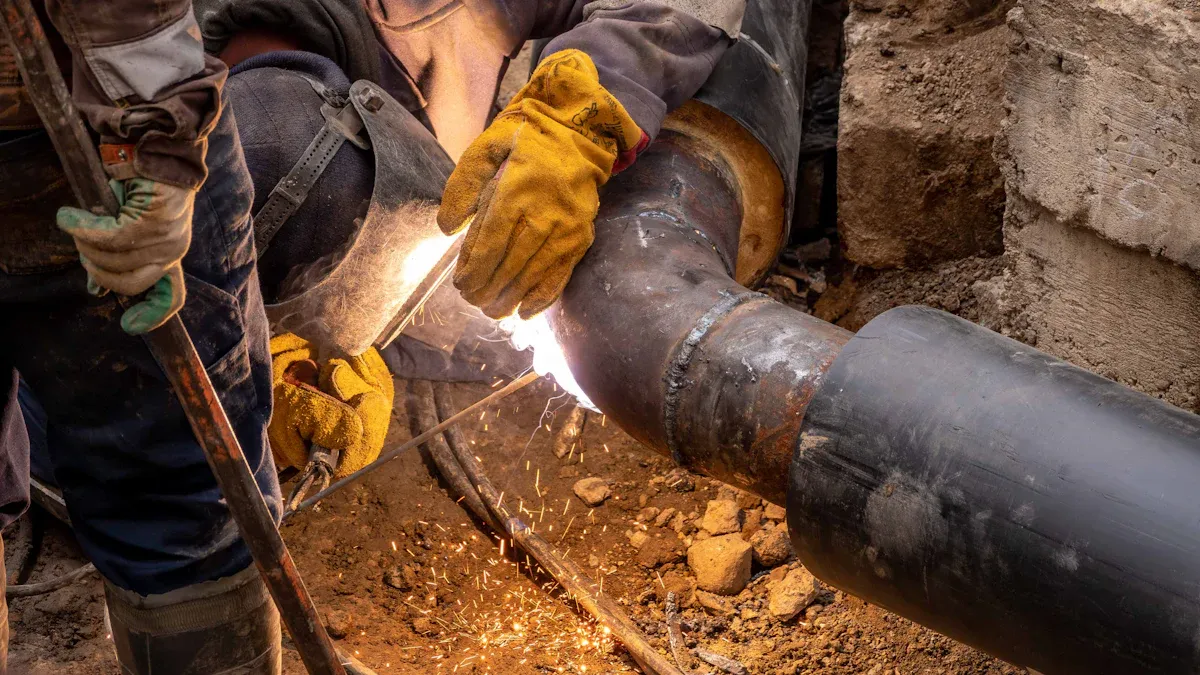
If pipes do not line up, big problems can happen. Bad alignment can make welds weak or unsafe. You might not see these problems right away. Later, you may need to fix them, which costs a lot. Offshore jobs can lose even more money if work must be redone. The table below shows how alignment changes weld quality and project time:
| Factor | Impact on Weld Quality | Impact on Project Timelines |
|---|---|---|
| Good Pipe End Alignment | High-quality welds | Reduced delays |
| Poor Pipe End Alignment | Defective welds | Increased costs and rework |
Tip: Lining up pipes well saves time and money. You will not need to fix as many mistakes.
Many alignment problems come from the tools you use. Manual tools may not hold pipes steady or in place. People can make mistakes if they get tired or are not careful. Pipes are not always perfect. Small changes in size or shape can make pipes not line up. Old pipes or pipes with rust can make things worse. If pipes are cut wrong or not supported, it can cause more problems.
No pipe is perfect, so some misalignment will happen.
Pipes and fittings that are not the same size can cause trouble.
Pipes that are not round make lining up harder.
Alignment clamps and fit-up tools help keep pipes in place. These tools make sure pipes have the right gap for welding. You get the same good alignment every time. Clamps save time because you do not need to move pipes by hand. Workers can follow steps more easily, which helps them work faster and safer. The table below shows why clamps are helpful:
| Description | Key Benefit |
|---|---|
| Clamps allow for precise alignment and gap setting | Consistent and accurate alignment |
| Clamps reduce alignment and welding time | Time savings and productivity |
| Clamps help workers follow procedures | Enhanced productivity |
| Proper alignment prevents faulty welds and improves safety | Enhanced safety |
Note: Robotic welding systems use sensors to keep pipes lined up. This helps lower mistakes compared to welding by hand.
Using the right alignment tools makes your welds better and helps you finish faster.
Sometimes, welds do not join pipes well. Poor weld penetration happens a lot in pipe welding. This can make joints weak and unsafe. It is very risky for high-pressure pipelines. Studies show incomplete penetration can make welds fail more often. These failures can put the whole system in danger.
Many things can cause poor penetration:
Incomplete root fusion
Incomplete root penetration
Root face that is too thick
Root gap that is too small
Welds in the wrong place
Not enough heat input
Wrong electrode diameter
Tip: Always check your setup before welding. Small mistakes can lead to big problems later.
Beveling tools help you get deeper welds. When you use a beveling tool, you make a V-shaped groove at the pipe end. This groove lets weld material go deeper into the joint. You get stronger and longer-lasting welds. Beveling also helps the weld fuse better. This means you see fewer defects.
Beveling makes V-shaped grooves for deeper welds.
The groove lets weld material reach further inside.
You get better welds with fewer problems.
Note: Using a beveling tool is important for strong, safe pipe welds.
Pipe prep tools make your job easier and your welds better. These tools help you get the pipe ends ready with accuracy. You get clean surfaces and perfect angles every time. This helps welds go deeper and makes joints stronger.
| Benefit | Description |
|---|---|
| Precise, repeatable bevels | Makes sure angles are always right for better welds. |
| Clean, burr-free surfaces | Stops contamination and helps welds stay strong. |
| Tight squareness and concentricity | Helps pipes line up for stronger welds. |
| Versatility across pipe diameters | Works for many projects and different pipe sizes. |
| Reduced setups | Saves time and keeps workers from getting tired. |
| High-quality finishes | Helps welds last longer and fail less often. |
Remember: Good prep work saves time and helps you avoid mistakes that cost money.
Too much weld spatter can slow you down. It also makes your work look messy. Small metal drops stick to pipes and tools. Cleaning up takes more time. You might need to grind, chip, or brush the pipe. This extra work can hurt the pipe or your tools. The table below shows how spatter can cause problems:
| Impact Type | Description |
|---|---|
| Increased Cleanup Time | More work is needed to clean up spatter. |
| Surface Damage | Spatter can make marks or cause more work. |
| Equipment Wear | Spatter can build up and wear out tools. |
Tip: If you have less spatter, you save time and your tools last longer.
You can lower spatter by checking your torch and nozzle. Studies show your setup is very important. Here are some things to remember:
How you set up your torch and nozzle matters for spatter.
If your torch is not lined up, you get more spatter.
Spatter on the nozzle or tip can make welding harder.
You need the right power and settings to keep the weld steady.
If the wire feed is not steady, you get more spatter.
Keep your torch and nozzle clean and lined up. Always check your settings before you start welding.
Special tools and new technology can help stop spatter. Some systems, like Ultra Low Spatter Welding Technology, work very well. These tools help in many ways:
Ultra Low Spatter Welding Technology cuts down spatter a lot.
You may not need sprays or gels with this system.
It uses a wire pull-back and a fast computer to keep the arc steady.
This technology works on many kinds of metal, like steel and aluminum.
Note: Using anti-spatter tools helps you get cleaner welds and spend less time cleaning up.
You want your weld beads to look smooth and even. Consistent weld beads help your project stay strong and safe. When weld beads are not even, you can face serious problems:
Crack formation can happen. Cracks may cause the pipe to fail when it faces stress or vibration.
Lack of fusion can occur. This means the weld does not join the pipes well, making the joint weak.
Lack of root penetration is possible. If the weld does not go deep enough, the joint may not hold under pressure.
These problems can lead to leaks, breaks, or even dangerous failures. You should always aim for even weld beads in every Pipe Welding job.
Many weld bead problems start with how you hold and move the pipe. If your pipe stands or positioners do not work well, you may see misalignment. Look at the table below to see common types of misalignment and what they mean:
| Type of Misalignment | Description |
|---|---|
| Radial Misalignment | The inside or outside of the pipe does not match the next pipe’s shape. |
| Axial Misalignment | The ends of the pipes do not share the same center line. |
| Rotational Misalignment | The markings on the pipes do not line up. |
| Angular Misalignment | The pipes join at an angle instead of being flat together. |
Common causes include bad preparation, using devices the wrong way, heat changes, and defects in the pipe. You need to check your setup before you start welding.
Other frequent causes of inconsistent weld beads include:
| Cause | Description |
|---|---|
| Incorrect Welding Parameters | Using too much current or the wrong angle can make the weld bead overflow. |
| Overheated Weld Pool | Too much heat can make the weld bead sag and form lumps. |
| Inconsistent Welding Speed | Changing your speed can make the bead shape uneven. |
Specialized pipe stands can help you get better weld beads. These stands make your work easier and safer:
You can work in a comfortable position, which helps you focus on making even welds.
You get better access to the weld joint, even when you need to weld in hard-to-reach spots.
The stands support the pipe well, so your weld beads stay even and strong.
Tip: Using the right pipe stands can help you avoid many common welding mistakes. You will see better results and spend less time fixing problems.
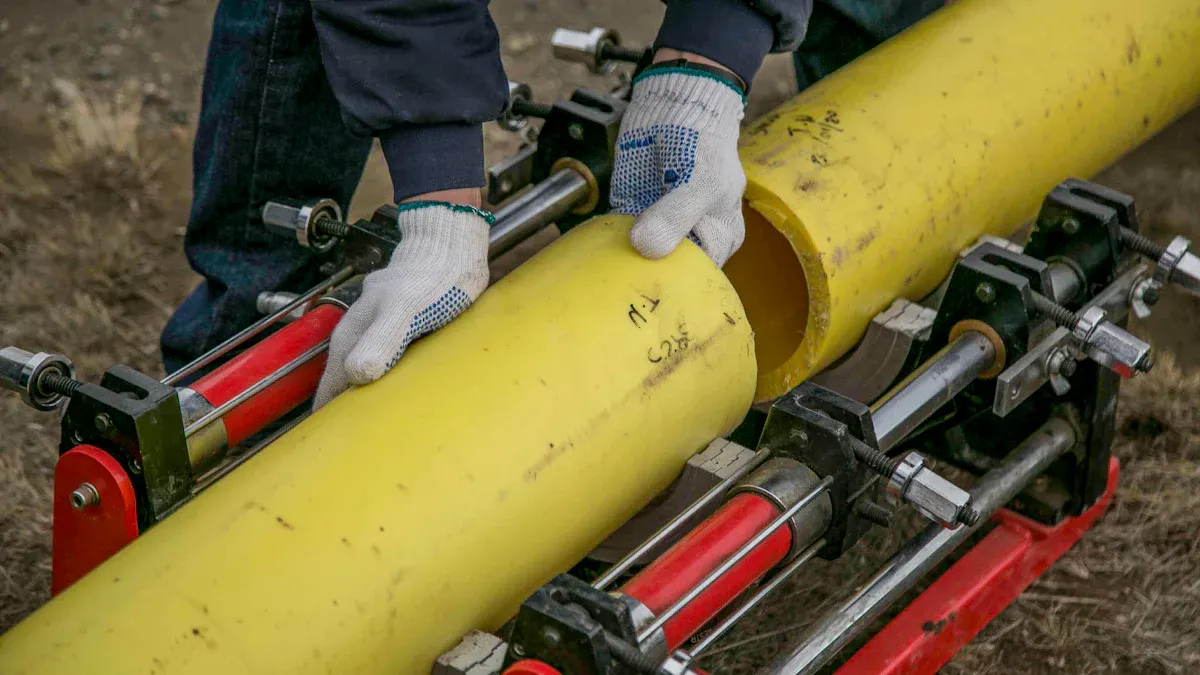
Cutting pipes the right way is very important. If you cut wrong, the pipes will not fit. Even a small mistake can stop the pipes from joining. You might have to cut the pipe again or get new ones. This means you lose time and have to do more work. Small mistakes can get worse over long pipe runs. Pipes might not fit with other equipment. This can slow down the whole job. Fixing these mistakes takes more time and money. Fixing bad welds can make the job cost up to 30% more. Delays can also make you miss deadlines and upset your customers.
Tip: Always check your cuts before you move on. Small mistakes can turn into big problems later.
Hand tools like saws or simple cutters can cause mistakes. It is hard to keep the cut straight by hand. If you get tired, your cuts can get worse. Cutting by hand can make rough or crooked edges. These problems make it hard to fit pipes together. If pipe ends do not match, you can get leaks or weak welds. Workers spend more time fixing these problems. This makes the whole job take longer.
Manual cutting tools can cause:
Crooked cuts
More wasted pipe
More fixing and extra work
Pipe cutting machines and guides help you work faster and better. Electric pipe cutters can help you get more done on big jobs. Good tubing cutters help you waste less pipe. Powered cutters make smooth edges and save cutting time. Machines help you cut pipes so they fit together well. This stops leaks and makes strong welds.
| Advantage | Description |
|---|---|
| Increased Productivity | Electric pipe cutters help you finish big jobs faster. |
| Reduced Material Waste | Good cutters help you waste less pipe when cutting. |
| Improved Precision in Cuts | Powered cutters make smooth edges and save time. |
| Fit-up Accuracy | Good beveling helps pipes fit well and stops leaks. |
Note: Using cutting machines and guides helps you avoid mistakes and keeps your Pipe Welding jobs on schedule.
You want a fast way to match each common welding problem with the right tool. This table gives you a clear overview. Use it to check your setup before you start your next Pipe Welding job.
| Welding Problem | Tool Solution(s) | Why It Works |
|---|---|---|
| Misalignment | Alignment clamps, fit-up tools | Hold pipes steady and in place for accurate welds. |
| Poor Weld Penetration | Beveling tools, pipe prep tools | Create clean grooves and surfaces for deeper, stronger welds. |
| Excessive Weld Spatter | Anti-spatter sprays, clean torch nozzles, adjust welding parameters | Reduce cleanup time and protect your equipment. |
| Inconsistent Weld Beads | Pipe stands, positioners | Keep pipes stable and at the right height for even welds. |
| Cutting and Fit-Up Errors | Pipe cutting machines, guides, electric cutters | Make straight, smooth cuts for perfect fit-up and fewer leaks. |
Tip: Using the right tool for each problem saves you time and money. For example, orbital welding systems help you finish jobs faster and with fewer mistakes. Weldless systems like Pyplok® can also lower costs and boost safety. Welded joints often need less maintenance than other joining methods, so you save more over time.
You can use this table as a checklist. Before you start, look at each problem and make sure you have the right tool ready. This helps you avoid mistakes and keeps your project on track.
You can stop most Pipe Welding problems if you pick the right tools. Newer systems make welds better and keep workers safer, as you can see here:
| Feature | Benefit |
|---|---|
| Automation | Makes the process easier to control |
| Real-time adjustments | Helps welds stay strong |
| Advanced safety | Makes welding less risky |
Try these steps to get better tools:
Check your wrenches, clamps, and welding machines.
Buy safety gear and tools that measure well.
Talk to other welders and share tips with them.
You often see misalignment as the top mistake. Pipes that do not line up can cause weak welds. You can fix this by using alignment clamps and checking your setup before you start welding.
You can lower spatter by cleaning your torch and using anti-spatter tools. Adjust your welding settings for better results.
Tip: Keep your nozzle clean for a smoother weld.
Uneven weld beads usually happen when you do not support the pipe well. Use pipe stands or positioners to keep the pipe steady. This helps you make smooth, even welds every time.
A pipe cutting machine gives you straight, smooth cuts. You get better fit-up and fewer leaks.
Electric cutters work fast and save you time.
Guides help you cut in the right spot.
Yes! Quality tools help you avoid mistakes and rework. You finish jobs faster and use less material.
| Tool Type | Money-Saving Benefit |
|---|---|
| Alignment Clamps | Fewer repairs needed |
| Cutting Machines | Less wasted pipe |
| Pipe Stands | Faster, safer welding |